SAFEGUARDING OUR PLATES: The Hidden Food Safety Risks of the 2026 Livestock Executive Order
September 9, 2026
The recent White House Executive Order aims to expand interstate meat sales, but chronic state underfunding, veterinary shortages, and a lack of local inspectors in 21 states could severely compromise U.S. food safety. Discover what this regulatory shift means for your family's health and how to navigate the changing meat market.
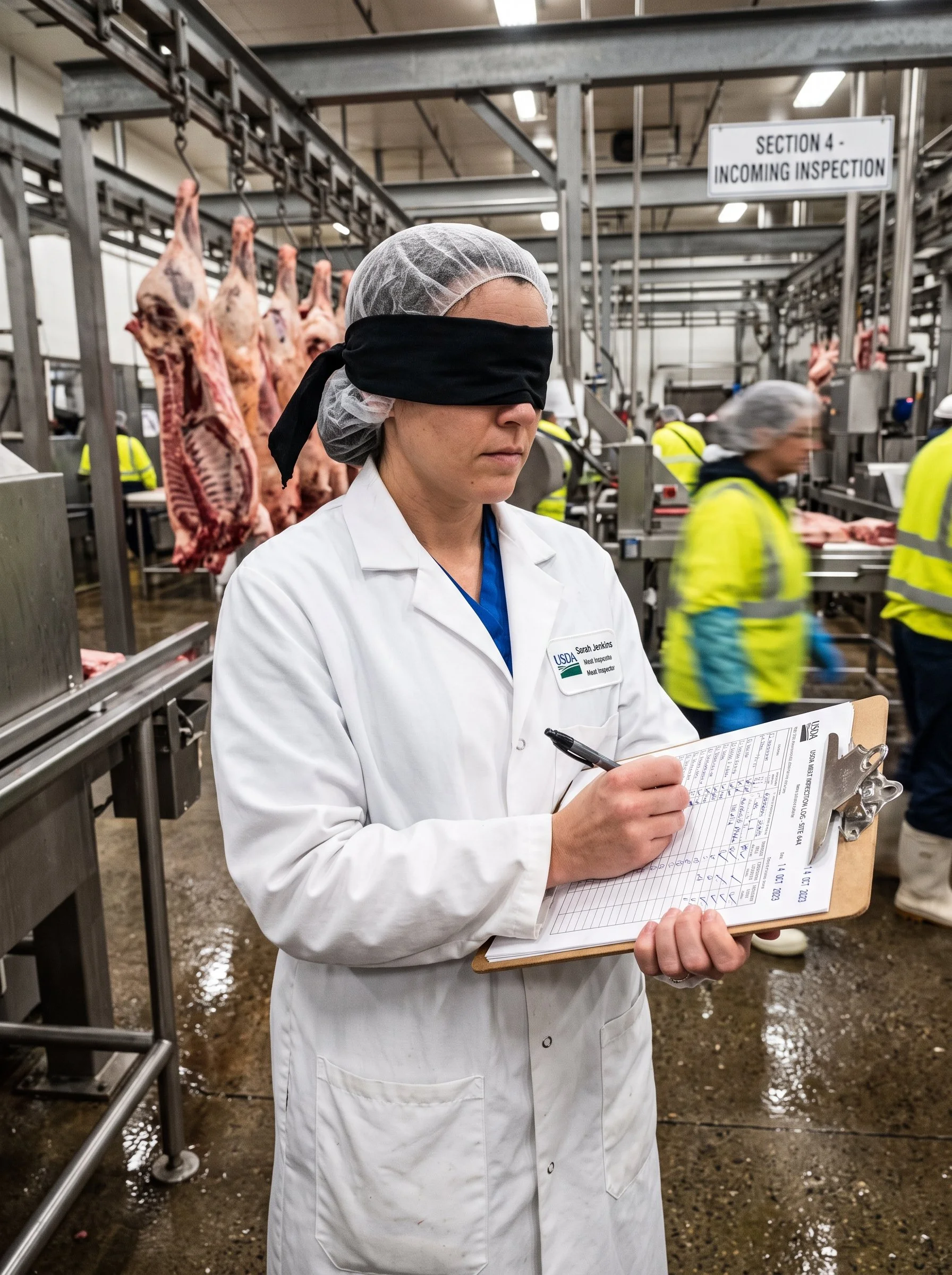
On September 4, 2026, the White House issued a sweeping directive: the Executive Order on Promoting Fair Competition in Livestock Markets and Expanding Market Access for American Meat Producers. On its face, the order serves as an economic lifeline for small American ranchers. It is designed to break up monopolistic meatpacking practices and allow independent, local farmers to process and sell their products across state lines.
However, as investigative journalists monitoring public health and regulatory compliance, we must ask the critical, often-overlooked question: What happens to our food safety when federal oversight is rapidly decentralized?
By shifting the heavy burden of meat processing inspection from the centralized federal Food Safety and Inspection Service (FSIS) to state-level agricultural agencies, this executive mandate exposes structural vulnerabilities in our public health network. Here is an investigative dive into the practical safety implications of this new directive.
Deregulation and the Threat to Early Warning Systems
Section 3 of the Executive Order explicitly mandates the removal of "unnecessary" FSIS reporting requirements to lower costs and boost processing efficiency. While cutting red tape is highly appealing to independent ranchers, stringent federal reporting serves as the bedrock of early pathogen detection.
Streamlining these processes—and potentially encouraging faster factory line speeds under the guise of "modernization"—historically reduces the critical time inspectors have to identify physical contamination. When line speeds increase, the chances of missing fecal matter, lesions, or foreign particulates before the meat is packaged skyrocket.
The State Funding Crisis: An Unfunded Safety Mandate?
The success of this decentralized vision relies entirely on the USDA’s State Meat and Poultry Inspection (MPI) and Cooperative Interstate Shipment (CIS) programs. The fatal flaw in this plan is chronic state underfunding.
By law, the USDA is authorized to reimburse states for up to 50% to 60% of their inspection costs. In reality, federal budget constraints frequently leave states footing the bill. Currently, state agriculture departments are facing severe shortages of public health veterinarians, specialized inspectors, and laboratory technicians. When underfunded state labs face a sudden influx of samples from small processors eager to ship interstate, testing backlogs are inevitable. A delay in detecting Shiga toxin-producing E. coli (STEC) or Salmonella means contaminated products make it onto dinner tables before a recall can even be issued.
The 21-State Blind Spot
Perhaps the most glaring public health issue is that nearly half the country currently lacks the infrastructure to participate. Today, 21 states—including massive consumer markets like California, New York, Florida, and Pennsylvania—do not operate their own state MPI programs.
Decades ago, these states surrendered their inspection authority directly to the federal government due to exorbitant budgetary costs. Because these states rely 100% on federal USDA inspectors, expanding a state-driven interstate market creates a massive geographic gap. Expecting non-participating states to build rigorous, federally compliant food safety infrastructures from scratch is a multi-year, multi-million-dollar gamble that could leave the national meat supply chain dangerously fragmented.
What Consumers Should Do Immediately
As this regulatory shift unfolds, consumers must become highly proactive about their meat purchases to protect their families from foodborne illness:
Check the Stamp: Learn to differentiate between the circular "USDA Inspected" seal and state-specific inspection marks. Both are legal, but understanding where your meat was verified provides traceability.
Scrutinize Your Source: When purchasing from local or regional processors utilizing the new interstate shipping rules, do not hesitate to inquire about their internal pathogen testing and food safety plans.
Practice Defensive Cooking: Regardless of the regulatory inspection source, always rely on safe handling practices. Cook poultry to an internal temperature of 165°F and ground beef to 160°F to actively neutralize bacterial threats.
For further verification, review the USDA FSIS Meat Inspection Directory to check the status of processors in your state, or explore state funding gaps via the National Association of State Departments of Agriculture (NASDA).